
Castello Tricerchi: The Brunello di Montalcino That Prizes Elegance Over Power
From Rome to the hills of Montalcino by way of a pharmacy degree: a young winemaker who took the harder road and now makes Brunello that is fresh, silky and, at times, remarkably like Burgundy.
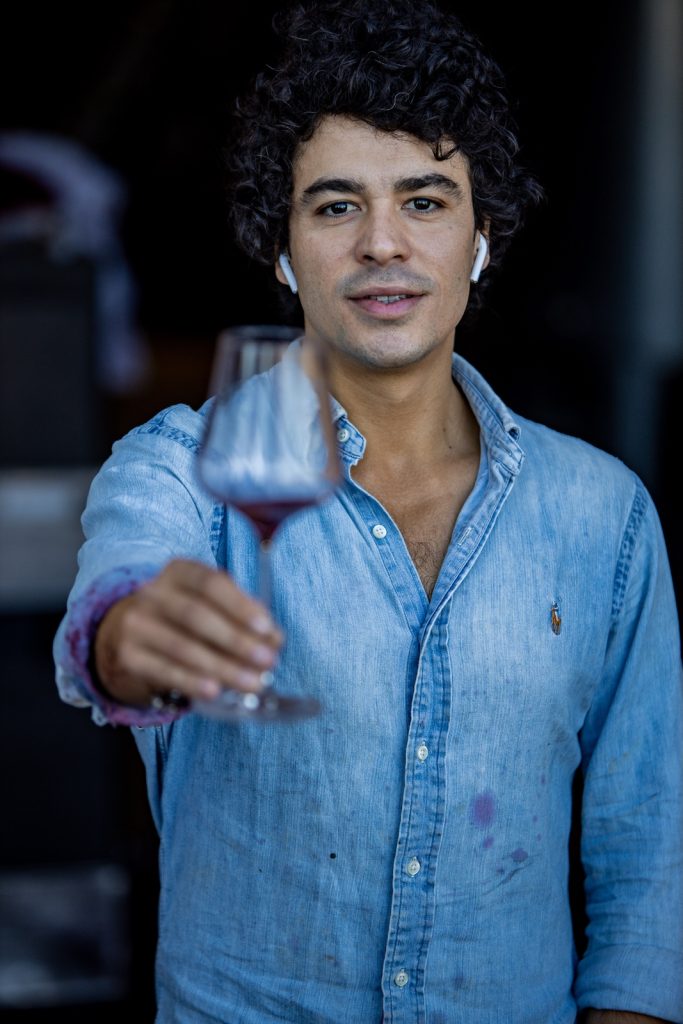
What is a young man born and raised in Rome, with a pharmacy degree and two pharmacist parents, doing among the vines of Montalcino? Making Brunello. It is a far from obvious choice at a moment when Italian wine is struggling to find its footing, and even less obvious when it means walking away from a secure career in the capital to live in the countryside.
But Tommaso Squarcia, owner of Castello Tricerchi, has the enthusiasm of youth and, more to the point, a very clear idea of the wine he wants to make.
At a Glance: Castello Tricerchi
- Where: northern slope of Montalcino, Tuscany, on the road from Buonconvento up to Montalcino
- Grape: Sangiovese only
- Vineyards: 13 hectares (about 32 acres), with 3.5 more (about 8.5 acres) newly planted
- Winemaking: organic approach, native yeasts, large oak casks, submerged-cap fermentation
- Consulting enologist: Maurizio Castelli
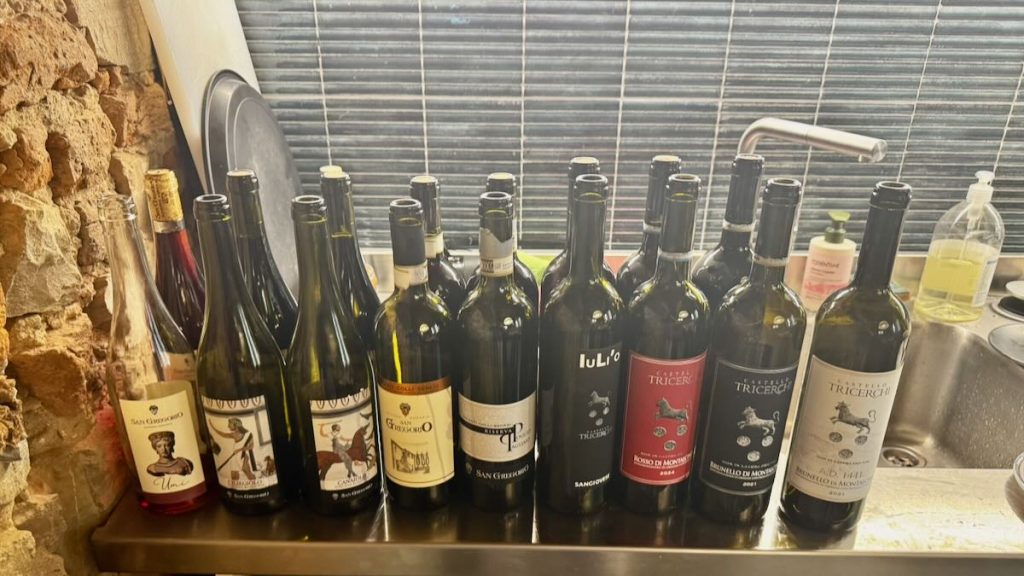
- The range: Iuli’o IGT, Rosso di Montalcino, Brunello di Montalcino and Brunello di Montalcino “A.D. 1441”
A Winemaker I Have Followed, Vintage After Vintage
I first tasted the wines of Castello Tricerchi in 2015. Since then I have followed each new release, and every time the wines seemed better: more complete, more defined. I got to know Tommaso along the way and kept watching his progress, because he has made his mark without shortcuts, staying true to his convictions and improving with every harvest.
My most recent tasting of the entire range took place in Florence at Le Volpi e l’Uva on September 3, 2026, at an evening that also featured the wines and cured meats of San Gregorio.
Elegance First: Tommaso’s Winemaking Philosophy
Most people picture Brunello as a big, muscular red. Tommaso is after something else. He says plainly that he prefers elegance to power, and drinkability to sheer structure. The result is a set of wines that are graceful and light on their feet, in some ways close to Burgundy.
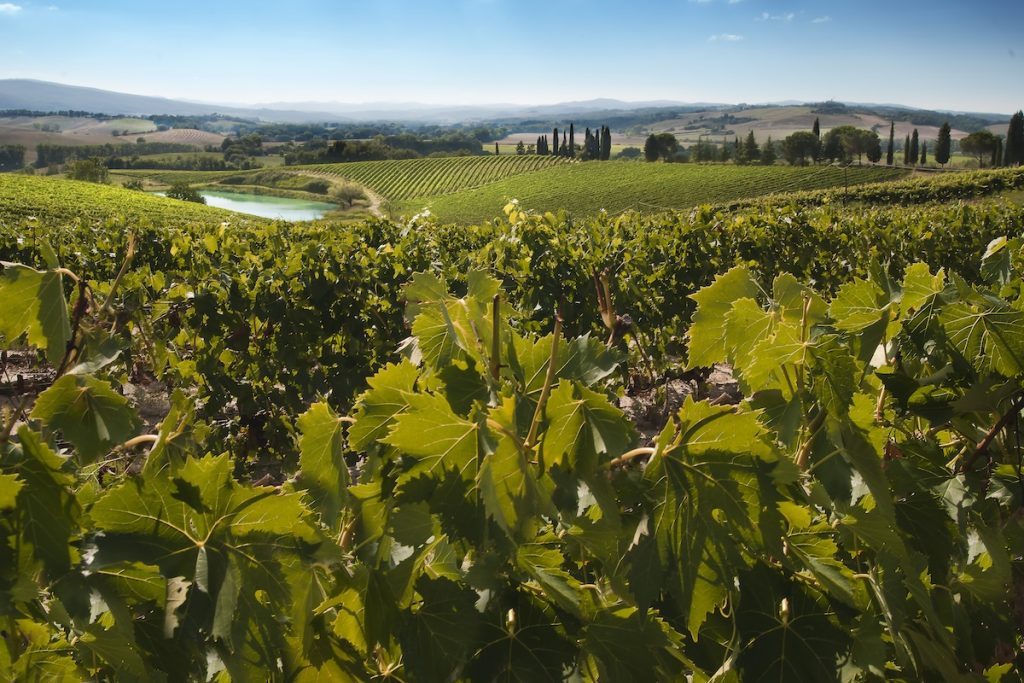
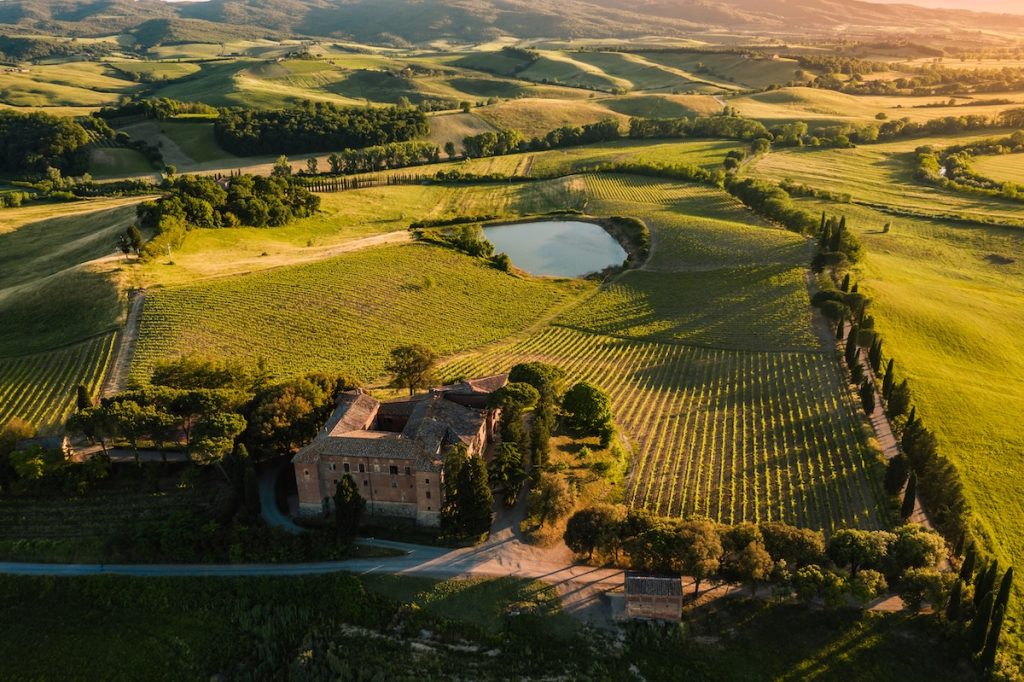
The location of his vineyards helps. They sit on the north-facing side of Montalcino, along the road that climbs from Buonconvento toward the town, just where the hill begins to gain altitude. The vines are not high up, but three factors keep the climate cooler and more humid than in other parts of the appellation:
- the northern exposure;
- the nearby Ombrone river;
- a small lake beside the vineyards.
The soils are clay and sand with some limestone, varying from one parcel to the next. Sangiovese, the grape that by law makes every Brunello, is the only variety planted here.
A Medieval Castle and a Latecomer to Winemaking
Castello Tricerchi has a fascinating past that reaches back to the Middle Ages and the politics of the Republic of Siena. The castle was founded in 1441, a date that appears on the label of the estate’s top wine. The Squarcia family eventually became owners of the castle and its land, but at first they did not invest in winemaking. The current vineyards were planted in 1995, while the wine itself is a more recent story: Tommaso arrived in 2013 and moved to the estate full time in 2015.
He brought in Maurizio Castelli as consulting enologist and embraced an organic philosophy.
In the Cellar: Parcel Picking and the Submerged Cap
Everything in the vineyard and the cellar serves one goal: wines that are slender and fresh.
- Parcel-by-parcel harvest, picking each plot at the ideal balance of acidity and sugar for the style he wants.
- Native yeast fermentations.
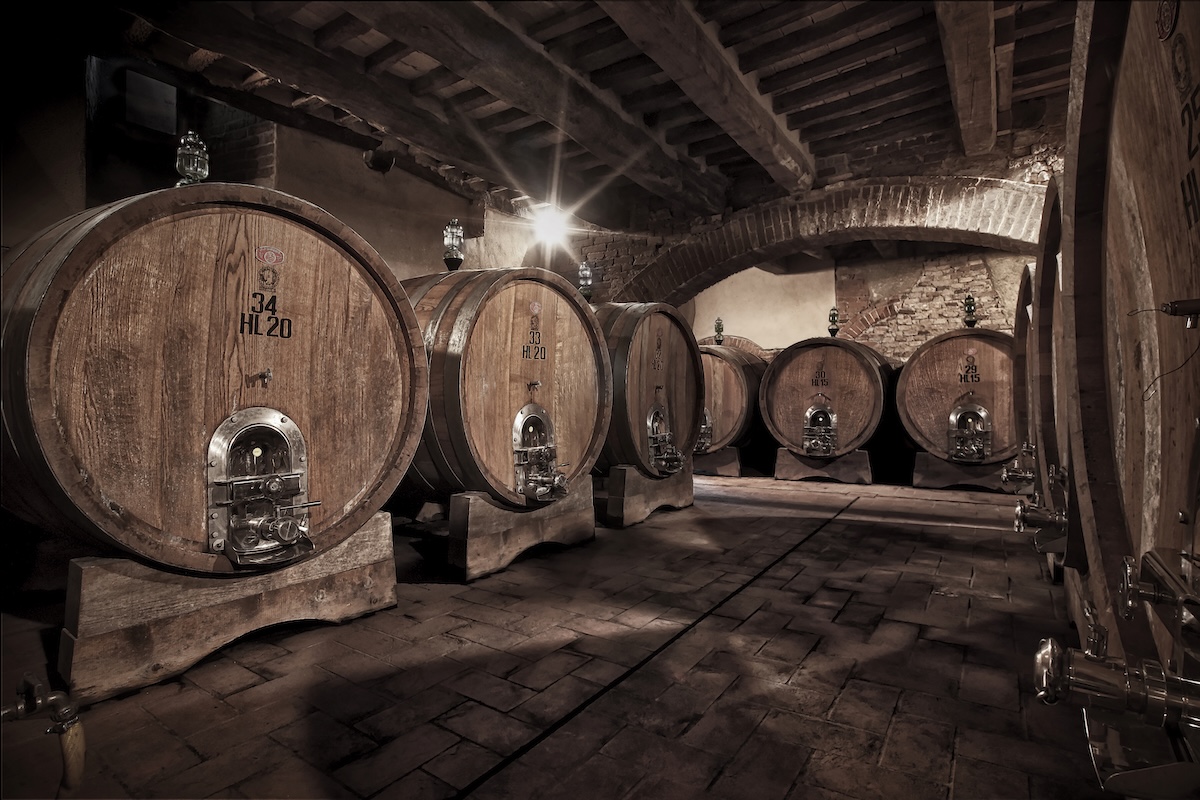
- Aging in large oak casks, not small barriques.
- Submerged cap (cappello sommerso), a technique from Piedmont in which the grape skins are kept under the surface of the fermenting wine. It extracts only the noblest tannins and limits contact with oxygen.
The Wines of Castello Tricerchi: Tasting Notes
The range has four labels, all red, all 100% Sangiovese, and each distinct from the others.
Iuli’o IGT 2025: Young and Unapologetically Fun
The only IGT wine in the lineup is modern and exuberant in its fruit, with notes of pomegranate and cherry and floral touches. The palate is lean, with a vibrant fresh and savory tension. It is made in stainless steel with 25% whole clusters, a true divertissement: once alcoholic fermentation ends, the wine is drained off its skins right away to keep extraction low and freshness high. It is bottled just a few months after harvest. (2025 vintage, tasted in early September 2026.)
Rosso di Montalcino 2024: Montalcino’s Answer to Pinot Noir
Transparent ruby, almost carmine. The nose recalls Pinot Noir: lavender up front, then small red fruits such as red currant and raspberry, with a hint of orange on the aftertaste. The palate is light-footed, with very fine tannins and a savory, iron-tinged finish typical of certain Sangioveses, and unexpected length. Only half of the wine ages in large oak casks; the other half stays in stainless steel.
Brunello di Montalcino 2021: Vertical and Savory
Vivid ruby with garnet reflections. The nose shows ripe fruit and real complexity: cherry and orange in front of a backdrop of dried flower petals, followed by star anise, tobacco and forest floor. The palate is propulsive and moves straight and tall, with a flawless tannic structure at mid-palate and a fresh, savory finish.
Brunello di Montalcino “A.D. 1441” 2021: The Estate’s Top Wine
This is not a riserva but a single-vineyard selection: just 2,500 bottles from the best grapes on the estate. Its style is the same as the regular Brunello, with more definition and depth. The nose recalls chinotto, the bittersweet Italian citrus, along with a briny, saline note that carries through to the palate. It manages to be intense while staying graceful, with silky, linear tannins and a mouthwatering acidity that lightens every sip. The finish is extremely long. The name, “Anno Domini 1441,” commemorates the year the castle was founded.
Why Castello Tricerchi Is Worth Following
Tommaso Squarcia shows that Montalcino has room for a Brunello different from the one many drinkers expect: less muscle, more freshness, more nuance. It is a coherent range, from the immediate, juicy red to the single-vineyard selection, made by a producer who keeps getting better. This is one of the wineries you can visit if you choose a wine tour to Montalcino with me.
Frequently Asked Questions
Where is Castello Tricerchi?
On the northern side of Montalcino in Tuscany, along the road that climbs from Buonconvento toward Montalcino.
What wines does Castello Tricerchi make?
Four reds, all 100% Sangiovese: Iuli’o IGT, Rosso di Montalcino, Brunello di Montalcino, and the single-vineyard Brunello di Montalcino “A.D. 1441.”
What is the style of Castello Tricerchi’s Brunello?
Elegant rather than powerful: light on its feet, fresh and savory, with fine tannins and a profile that at times recalls Burgundy.