Castell’in Villa: A Chianti Classico Estate Remembered
There’s one place in Chianti Classico I’ll always think about with a mix of admiration and sadness: Castell’in Villa. Its restaurant closed last summer. I wanted to write about what made it special — and why it mattered so much to me and the friends I used to go there with.
Where It Is
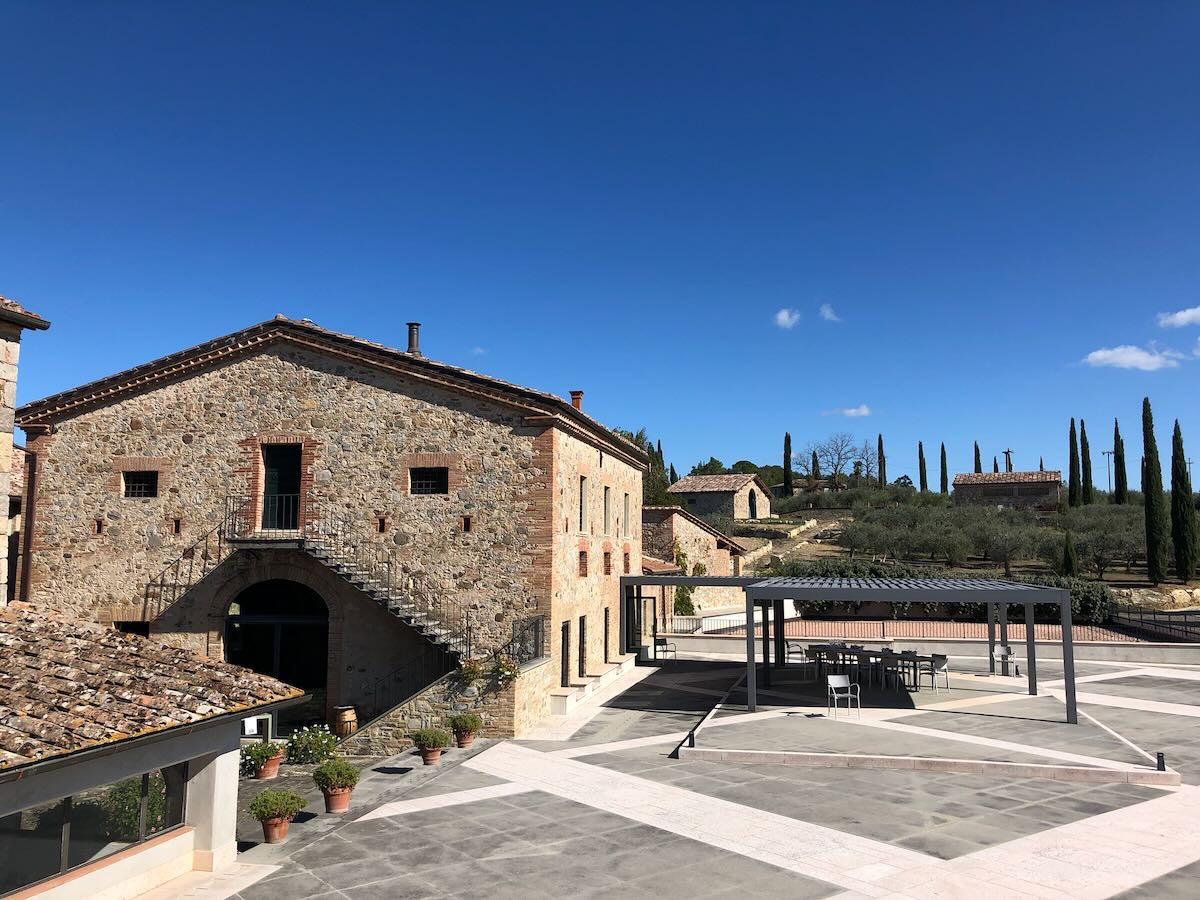
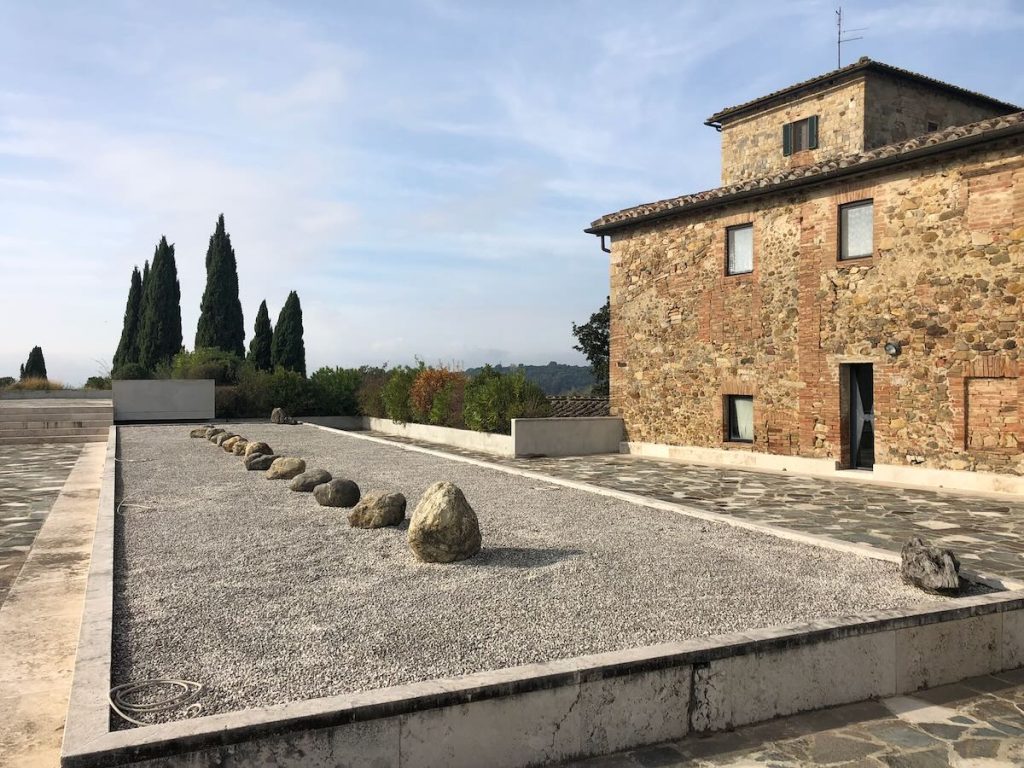
Castell’in Villa sits at the southern edge of Chianti Classico, in the municipality of Castelnuovo Berardenga, near Siena. That location matters. The southern part of the appellation has its own climate and landscape, and it shows in the wines: more structured, more built to age than wines from other parts of Chianti.
The Story Behind the Estate
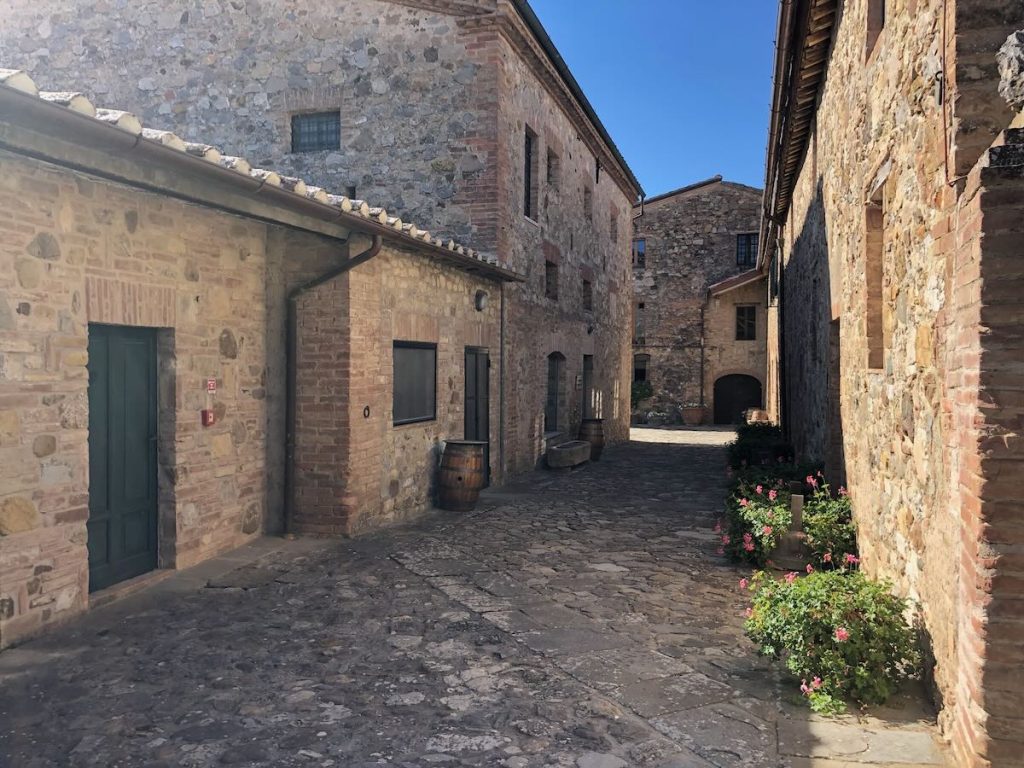
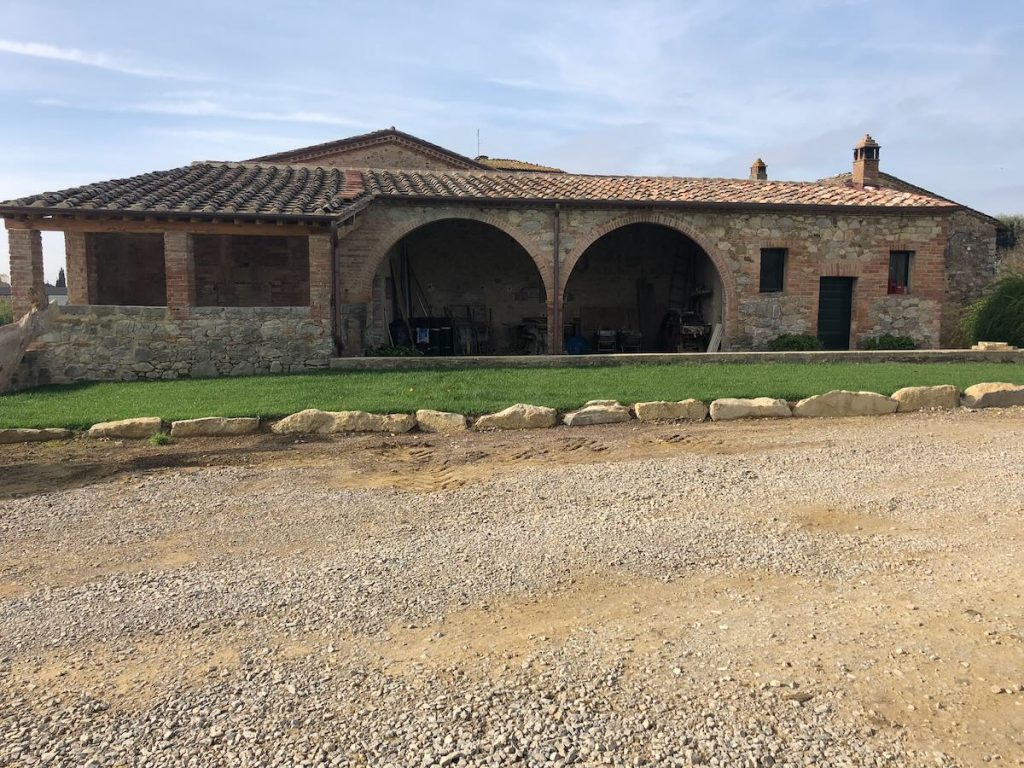
The estate dates back to the late 1960s. Princess Coralia Pignatelli della Leonessa, born in Greece, and her husband, an Italian diplomat, first saw the property in 1967. They bought it a year later. At the time, it was just a 13th-century farmhouse with a watchtower and one hectare of vines — meant to be a countryside home, nothing more.
That changed fast. The couple fell for Chianti Classico and started expanding the vineyards. Early on, they made a key decision: no white grapes, Sangiovese only, on the advice of the local Consorzio. After her husband died in 1985, Princess Coralia took over the winemaking herself.
Today the estate covers almost 300 hectares, with about 50 hectares of vines on the hill’s south-facing slopes, surrounded by olive groves and woodland. Annual production runs 80,000–100,000 bottles, and 80% is exported. Yields stay under 20 hl/ha — probably part of why the quality is so high.
Wines Made to Last
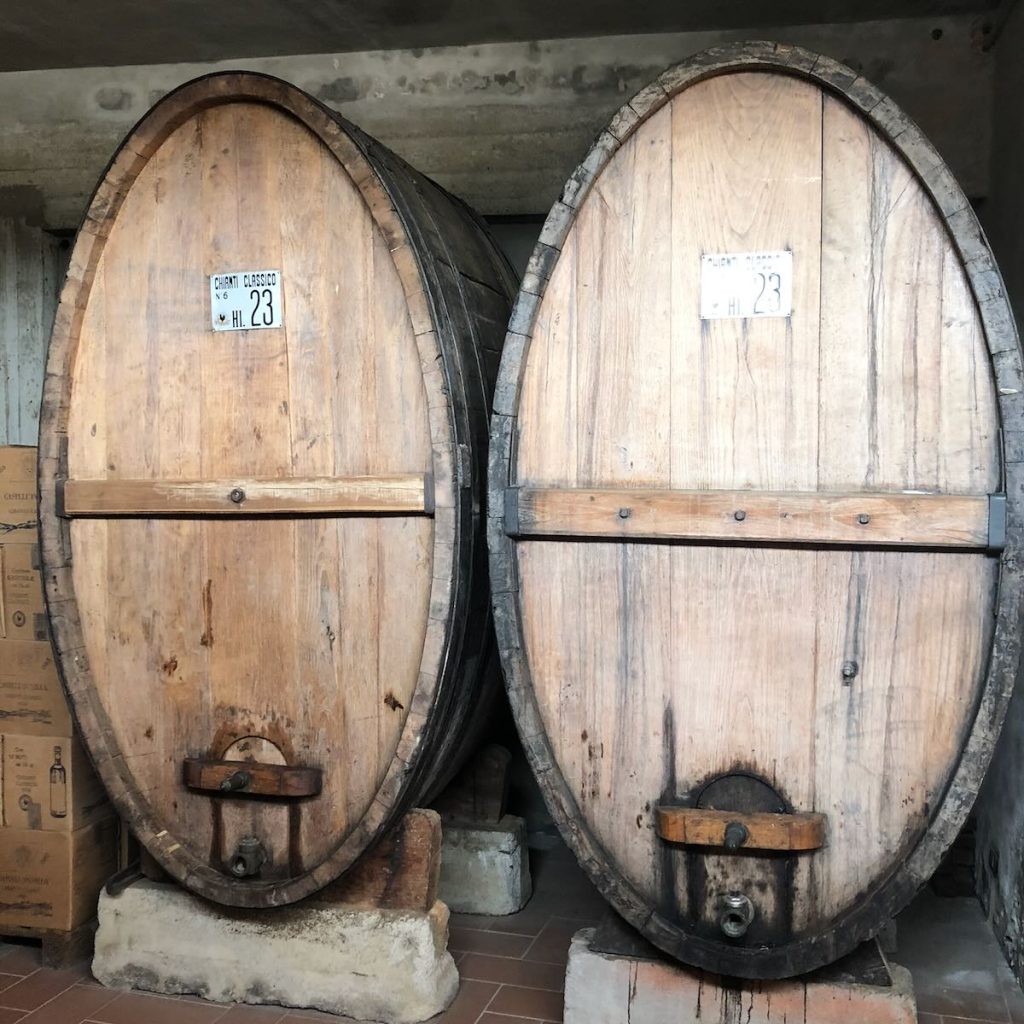
Castell’in Villa’s wines don’t taste like typical Chianti Classico. They’re fermented in steel with wild yeasts, left on the skins for about two weeks, then aged up to three years in large traditional oak barrels. Until recently, Princess Coralia ran the cellar herself, after walking the vineyards every morning.
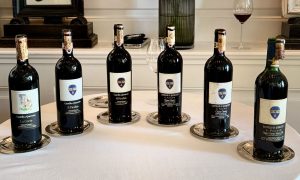
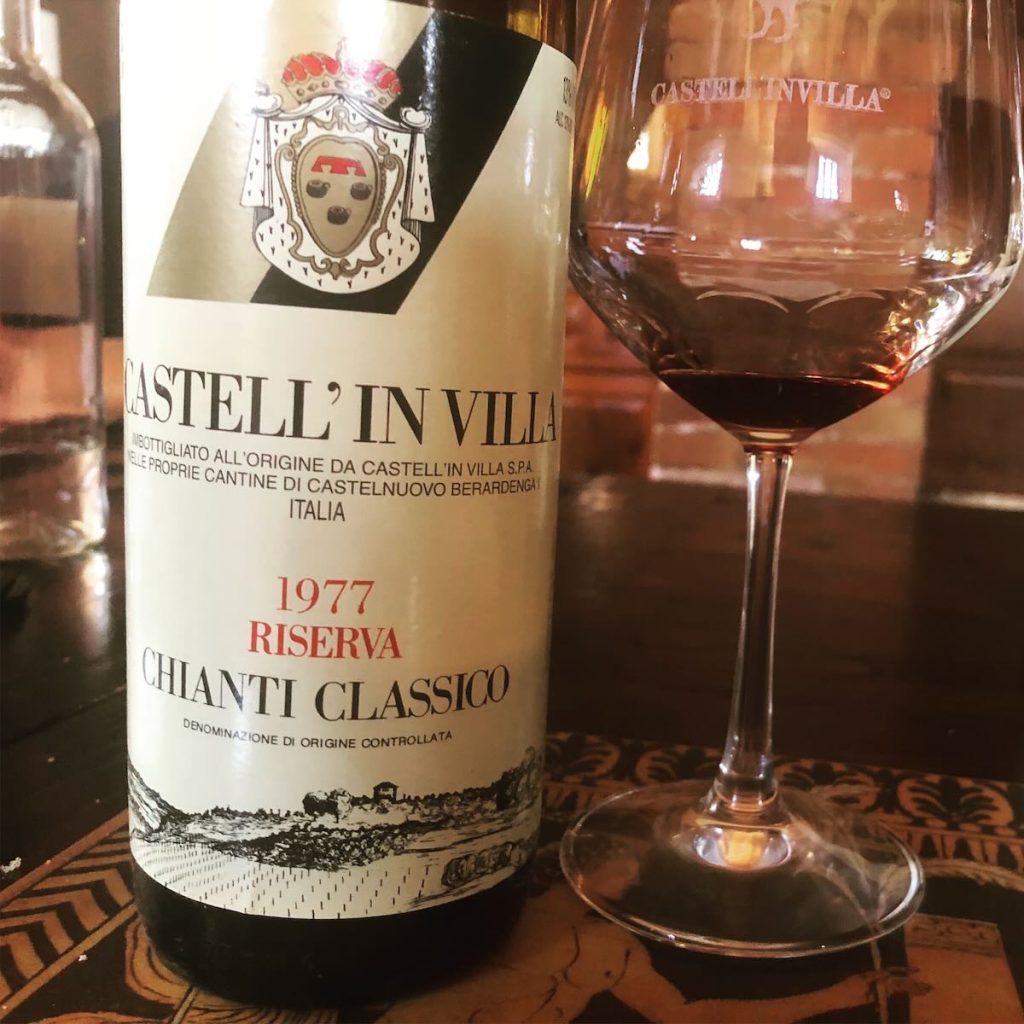
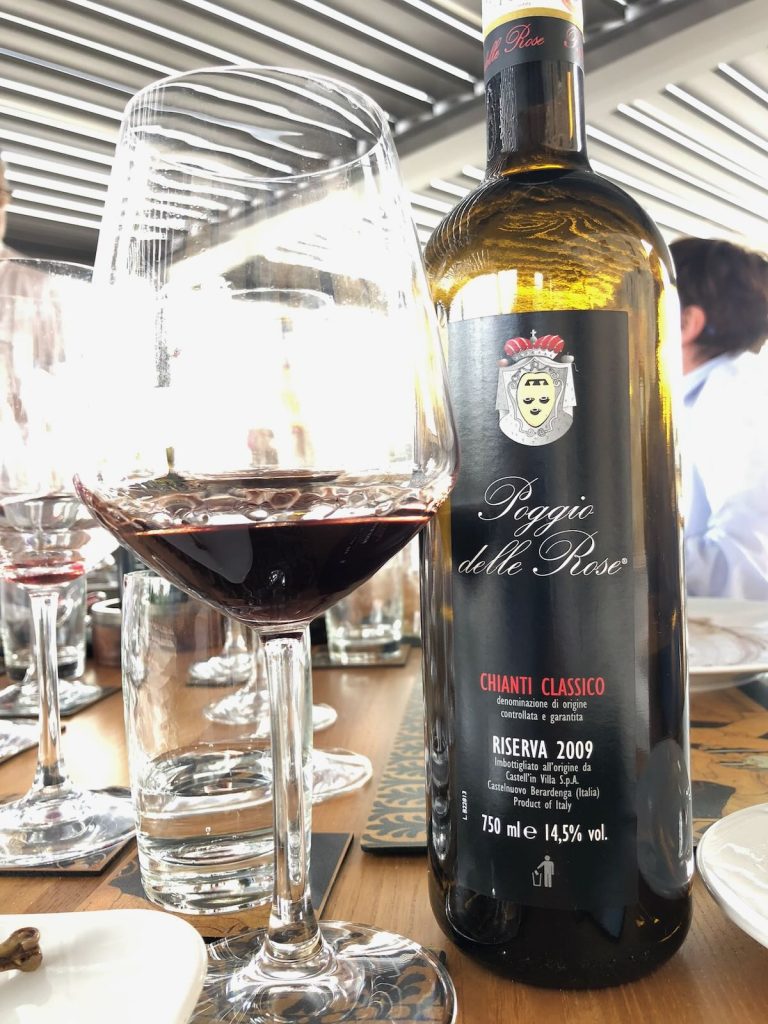
These wines age remarkably well. The cellar still holds bottles of the 1971 Riserva — the estate’s first commercial release, now legendary among collectors and proof of how long these wines can last. For several years, the estate also worked with consultant Giacomo Tachis, the man behind Sassicaia and Tignanello.
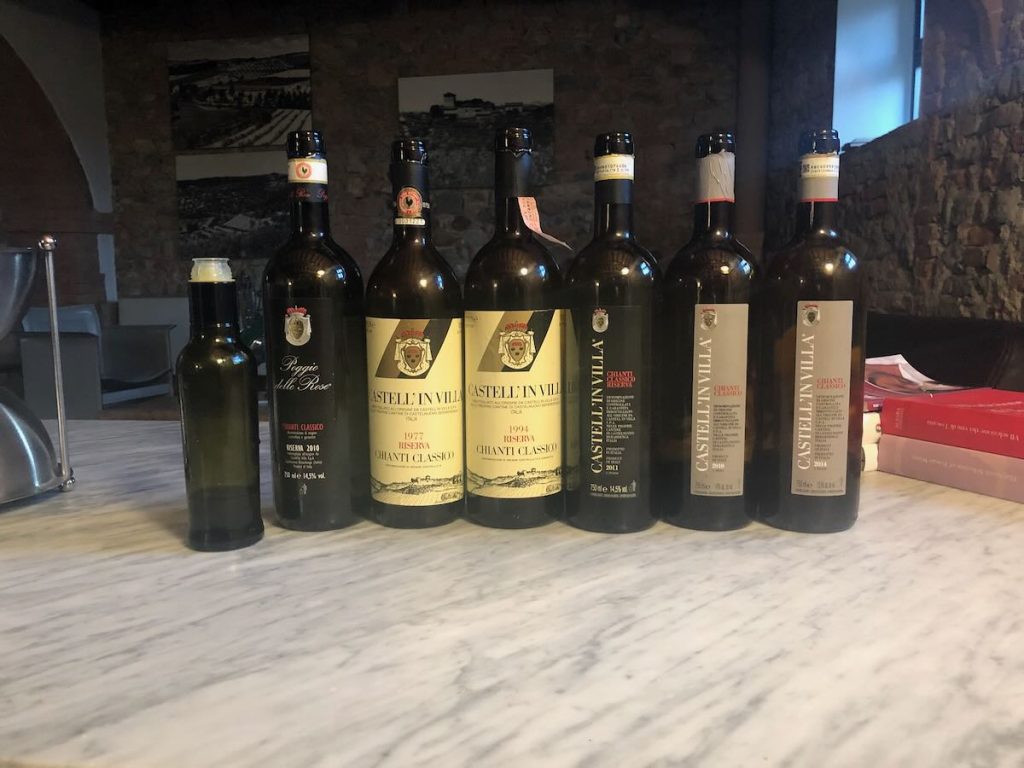
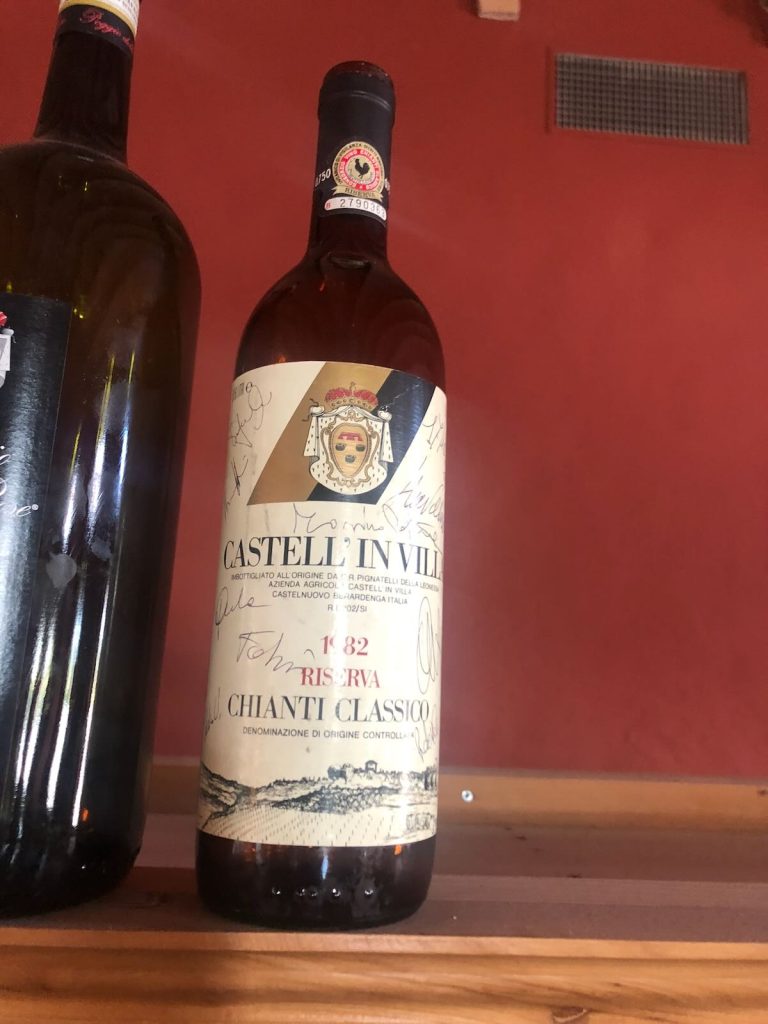
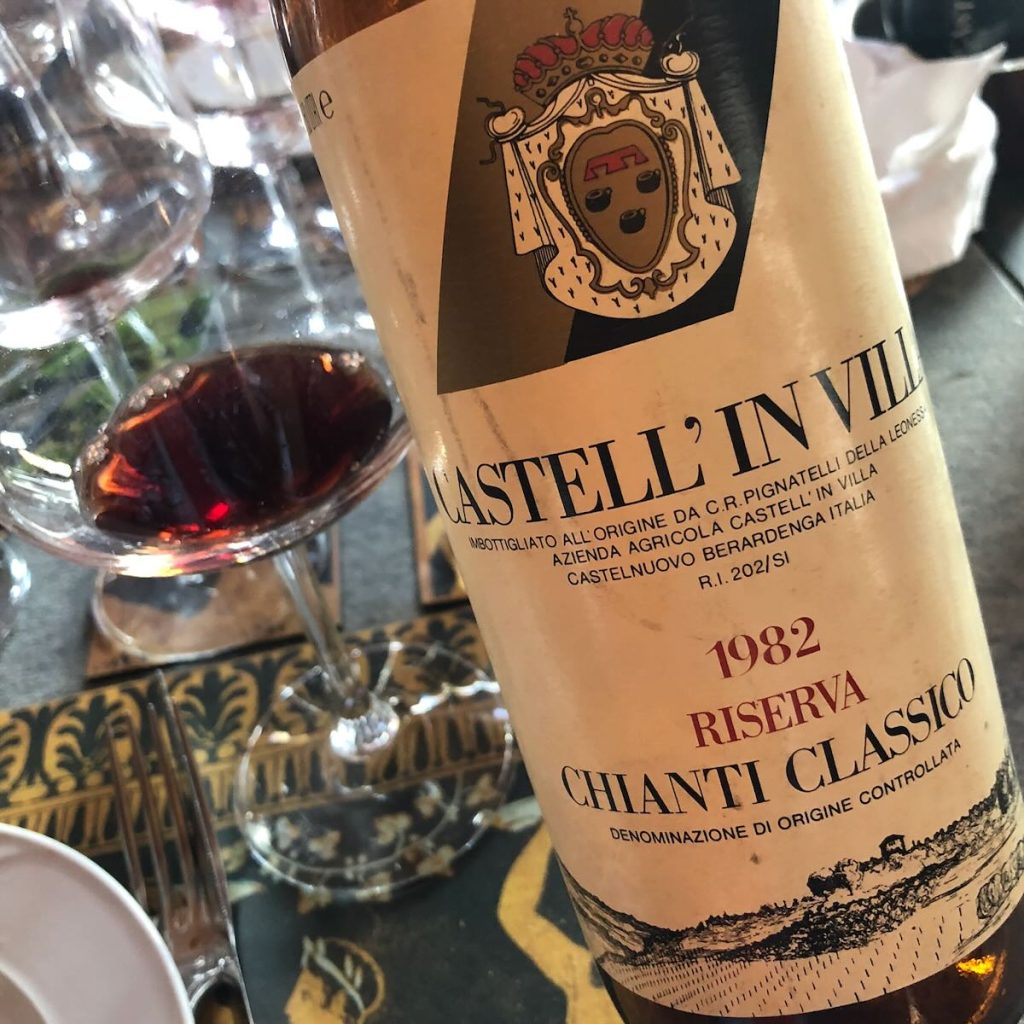
2015 Riserva, tasted in 2021, with age already rivaling a Brunello di Montalcino Riserva:
Pale garnet. Opens with faded violet and floral notes, then brandied cherry, forest floor, star anise, a touch of rhubarb, and cigar box. Feels delicate at first, then builds — fine, energetic tannins and firm acidity carry the floral and balsamic notes into a long finish. Flavorful but never heavy, with a beautiful lingering note of bitter orange.
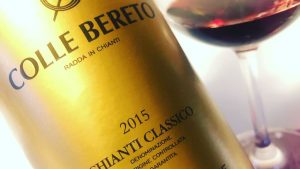
Castell’in Villa Chianti Classico 2019, tasted in 2024:
Bright garnet. Candied cherry and orange on the nose, with cinnamon, clove, and tea leaf, plus recurring notes of strawberry and apricot. Medium body, good savoriness and freshness balanced against the alcohol. Silky, well-judged tannins that add depth without slowing the wine down — the finish runs long, with grapefruit and pink pepper.
Castell’in Villa Chianti Classico Riserva 2017, also tasted in 2024:
Pale, shading to garnet. Rich nose of roasted cherry and tobacco, floral and woodland notes, musk, lavender, a hint of bergamot tea. Full, savory, with tenacious tannins — like a coiled spring. Built for long aging. Austere, but full of character.
Castell’in Villa Chianti Classico Riserva 2020, previewed in 2026:
Bright ruby-garnet color. Faded rose on the nose, then cherry preserve, orange peel, cardamom, and rosemary — a well-defined, expressive bouquet. Lithe structure, driven by bright acidity with a citrus edge. Fine, well-extracted tannins woven together with freshness and fruit. Elegant, and genuinely captivating.
The philosophy behind all of it is simple: don’t chase immediate approval. Build wines meant to last decades, true to a classic, rigorous style of Sangiovese.
A Restaurant Worth the Drive
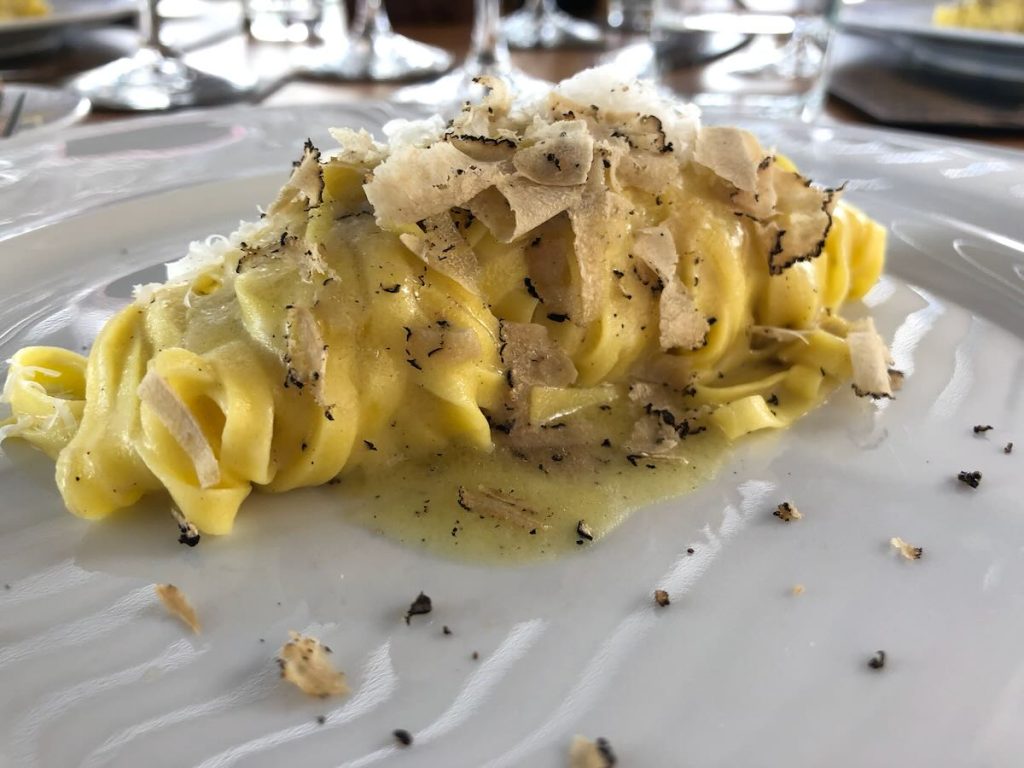
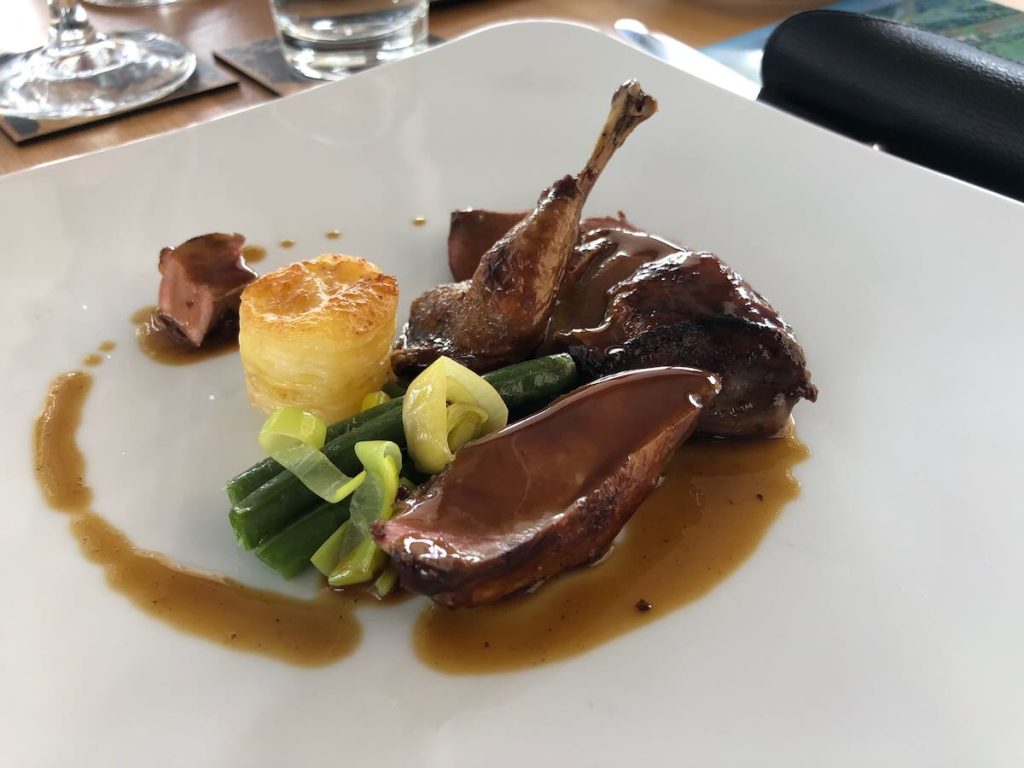
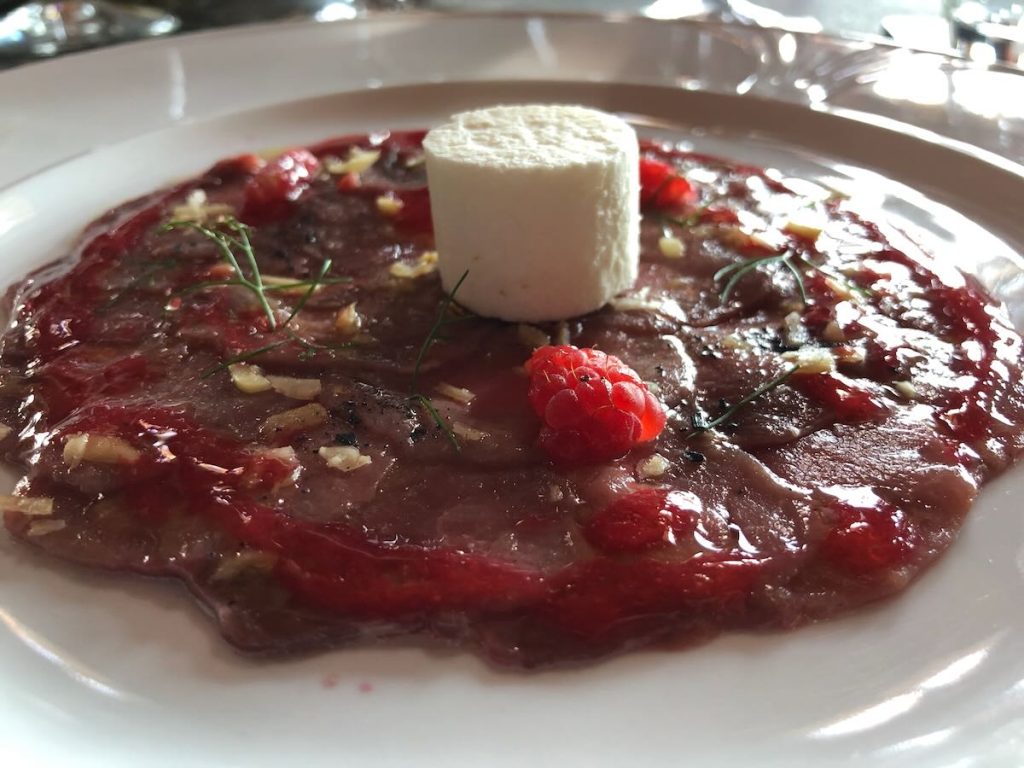
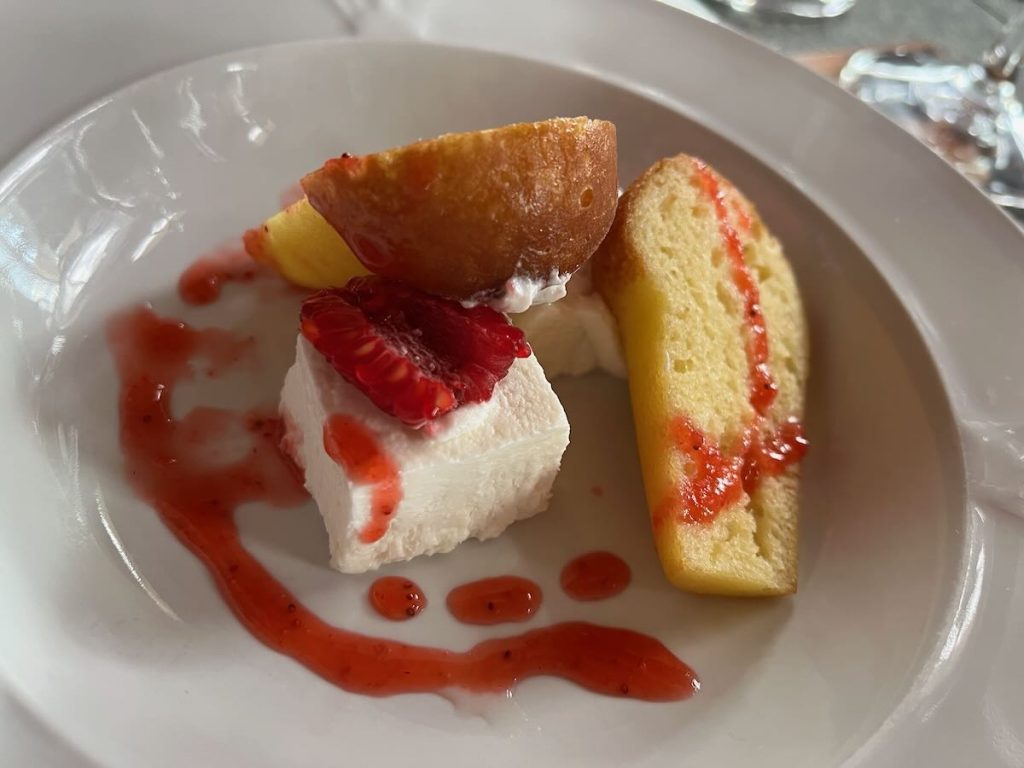
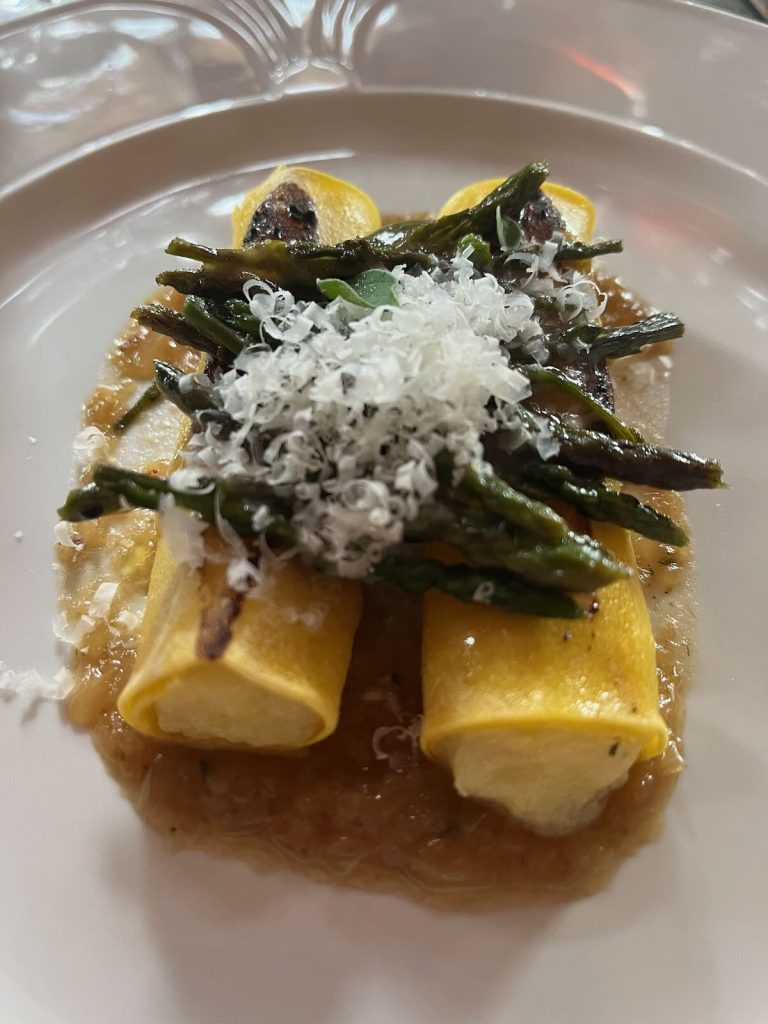
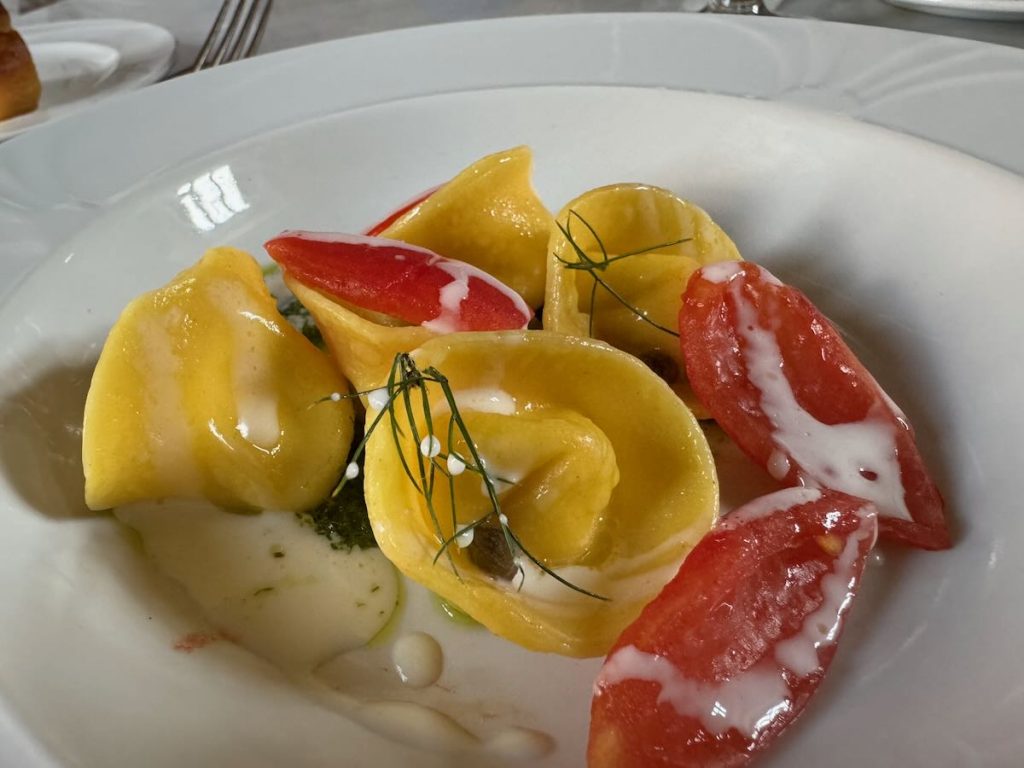
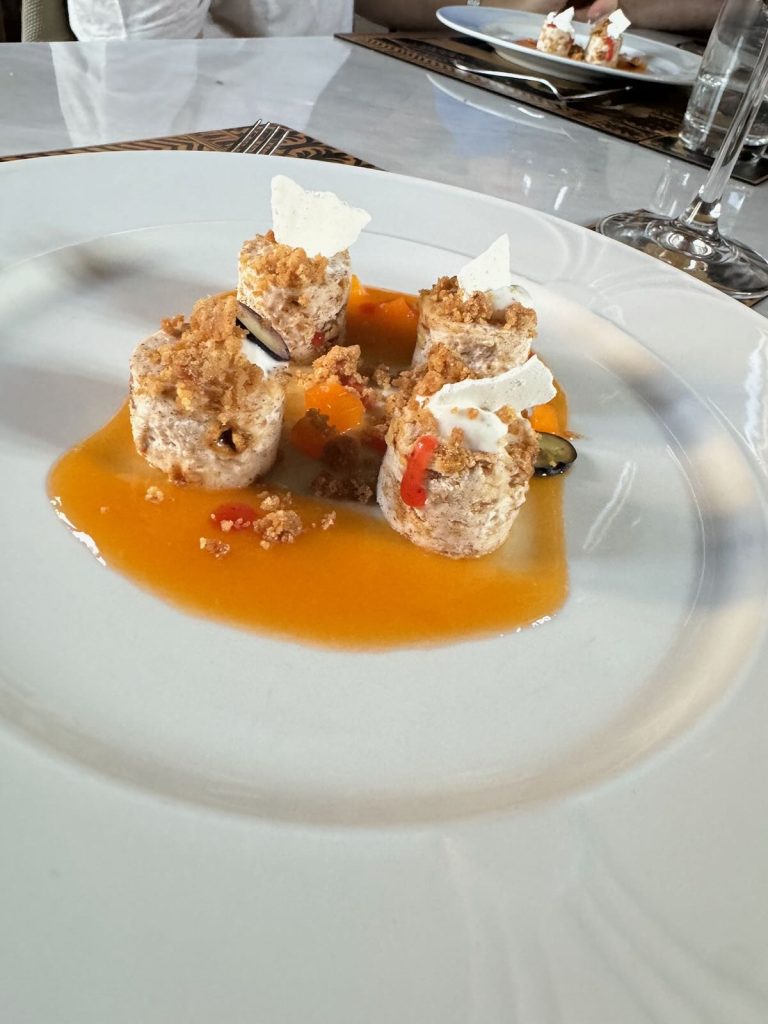
Next to the winery, Castell’in Villa also ran a restaurant — for years, one of my favorite places in Chianti. I went there often with friends who felt the same way about it.
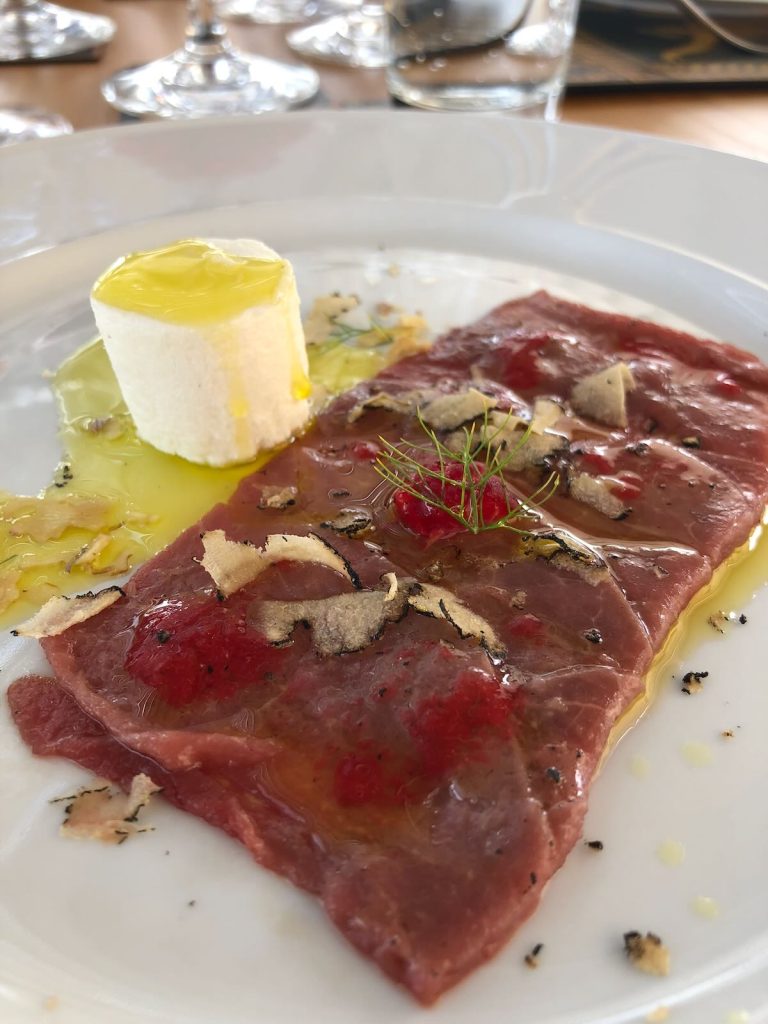
It wasn’t just good food. It was warm, carefully done, and it carried the same philosophy as the wines. The kitchen was sophisticated, with a level of quality you rarely find in such a relaxed, welcoming setting. Every dish felt as considered as the wine in your glass.
We went back so often it became a ritual. That’s why the closure last summer hit hard. It’s not just one more restaurant off a long list — it’s the loss of a place that told one coherent story, from vineyard to plate.
What’s Left
The restaurant is gone, but Castell’in Villa is still one of Chianti Classico’s most authentic estates — a reference point for anyone who values patience over speed. The wines are still here. So is the story of Princess Pignatelli della Leonessa and her commitment to Sangiovese alone. And so, for those of us who lived it, are the memories of evenings spent somewhere that managed to be elegant without ever losing its warmth.
Places like this close. It happens more often than we’d like. But some experiences stay with you — and that’s why I wanted to write this down.